
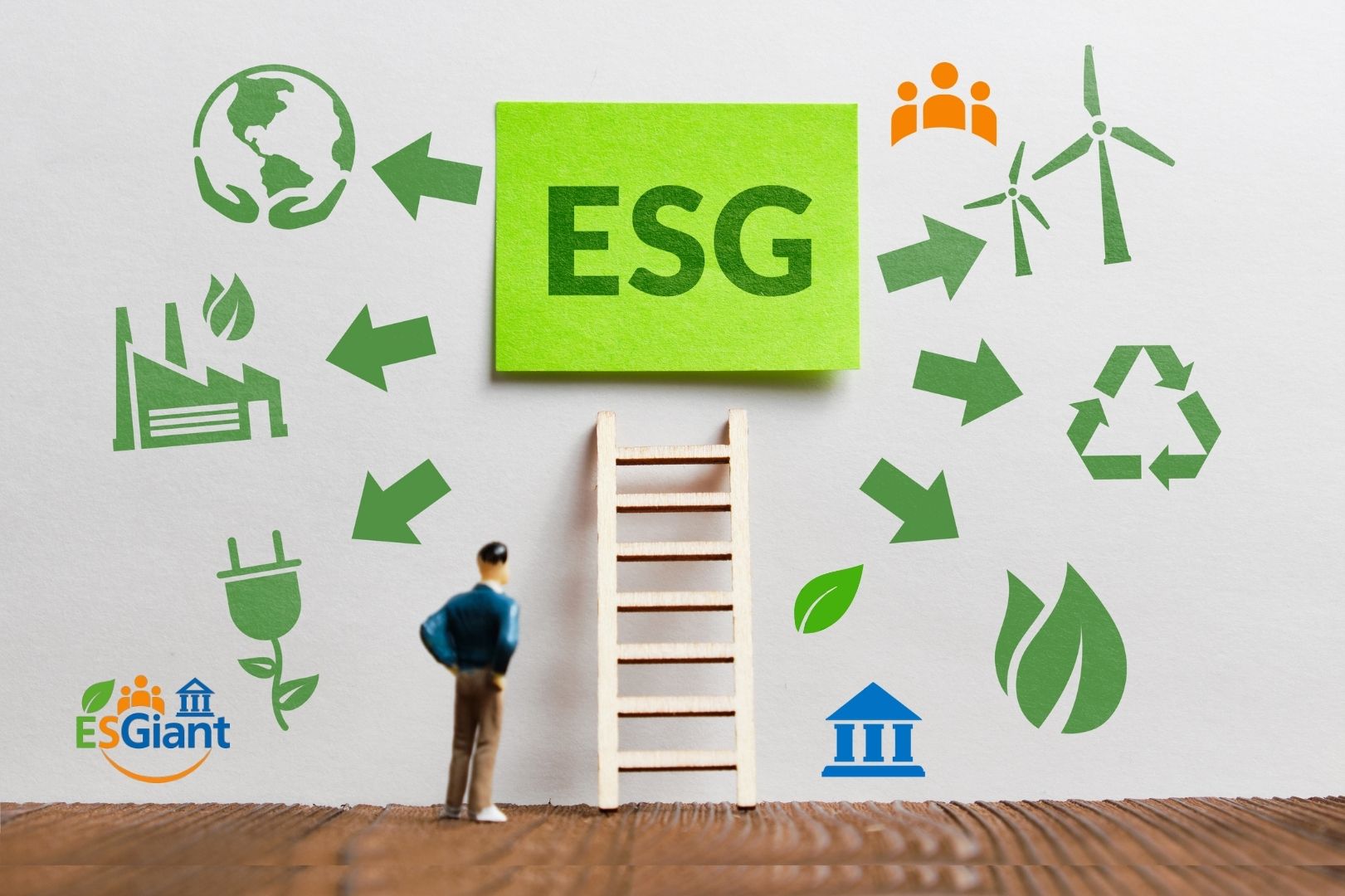

ESG is not new, In boardrooms, news headlines, and investment portfolios, a three-letter acronym has sparked a fundamental shift in how we measure corporate success: ESG. Standing for Environmental, Social, and Governance, ESG provides a framework for evaluating a company’s performance beyond traditional financial metrics. It’s a lens through which investors, consumers, and employees can assess a corporation’s impact on the world and its long-term sustainability

But what do these three pillars really represent?



Environmental (E): This pillar addresses a company’s stewardship of the natural world. Key issues include a company’s carbon footprint, its policies on climate change, energy efficiency, water usage, waste management, and pollution. In an era of increasing climate risk, a company’s environmental strategy is directly linked to its operational resilience and long-term viability
Social (S): The social component examines how a company manages relationships with its employees, suppliers, customers, and the communities where it operates. This includes everything from diversity and inclusion initiatives, labour standards, and data privacy to employee health and safety and customer satisfaction. A strong social score often indicates a healthy company culture and a loyal customer base.
Governance (G): Governance deals with a company’s leadership, internal controls, and shareholder rights. It covers topics like executive compensation, board composition and diversity, auditing and compliance, and policies against bribery and corruption. Strong governance is the bedrock of a well-run, ethical, and transparent organization, building trust with both investors and the public.
Why ESG is More Than Just an Ethical Checklist
Initially dismissed by some as a niche concern, ESG has rapidly moved into the financial mainstream. The driving force behind this shift is the growing recognition that strong ESG performance is not at odds with profitability it is often a key driver of it. Companies that effectively manage their environmental impact, foster positive social relationships, and adhere to high governance standards are often better positioned to mitigate risk, innovate, and attract top talent.
Investors are increasingly using ESG criteria to identify resilient companies poised for long-term growth
We focus on sustainability not because we’re environmentalists, but because we are capitalists and fiduciaries to our clients.
Larry Fink, CEO of the investment giant BlackRock
This perspective underscores the core argument of the ESG movement: that creating value for society is inseparable from creating long-term value for shareholders.
However, the framework is not without its challenges. Critics point to the lack of standardized reporting metrics, which can make it difficult to compare companies apples-to-apples. Concerns about “greenwashing”—where companies exaggerate their environmental credentials for public relations purposes—are also prevalent. In response, regulators worldwide are moving toward mandating more standardized and transparent ESG disclosures.
This perspective underscores the core argument of the ESG movement: that creating value for society is inseparable from creating long-term value for shareholders.
ESG by the Numbers
The momentum behind ESG is clearly reflected in the data. The following table highlights several key statistics that illustrate its growing influence.
| Metric | Data Point |
|---|---|
| Global ESG Assets | Projected to surpass $40 trillion in assets under management by the end of 2024. (Source: Bloomberg Intelligence) |
| Corporate Reporting | In 2022, 96% of companies in the S&P 500 published a sustainability or ESG report. (Source: Governance & Accountability Institute) |
| CEO Concern | A 2023 survey found that nearly 70% of global CEOs see ESG as a central driver of company value. (Source: IBM Institute for Business Value) |
| Consumer Demand | Over 75% of global consumers report that they try to act in a sustainable manner, influencing their purchasing decisions. (Source: PwC) |
The Future is Sustainable

Time is now!
ESG is evolving from a peripheral consideration to a core component of business strategy and investment analysis. As the world grapples with profound challenges like climate change, social inequality, and a crisis of trust in institutions, the principles of ESG offer a roadmap for building a more sustainable and equitable economy. For companies and investors alike, ignoring ESG is no longer an option; it is a direct risk to future success.